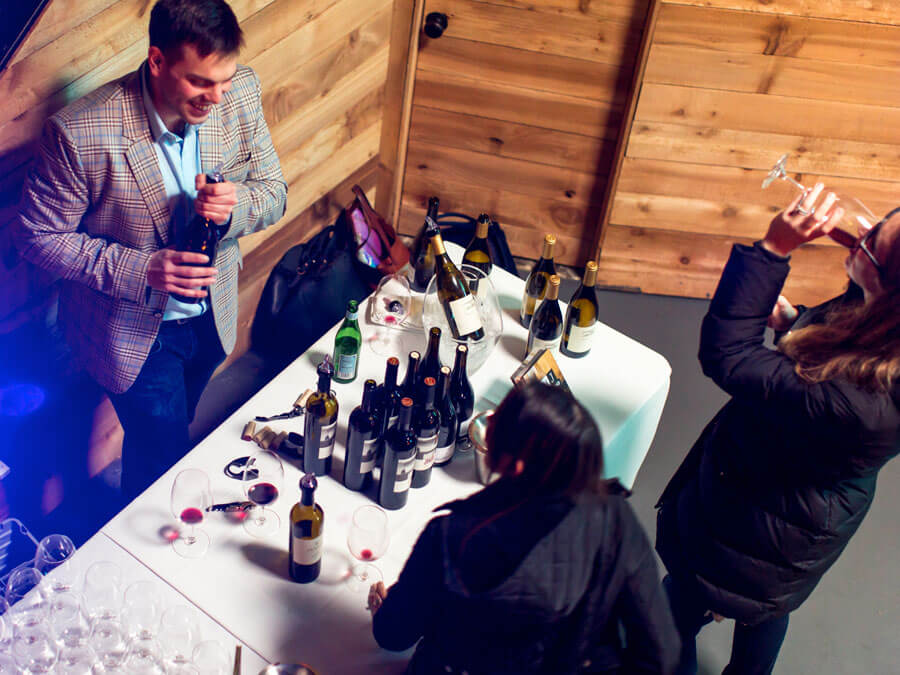

How Our Winemaker Decides When to Harvest
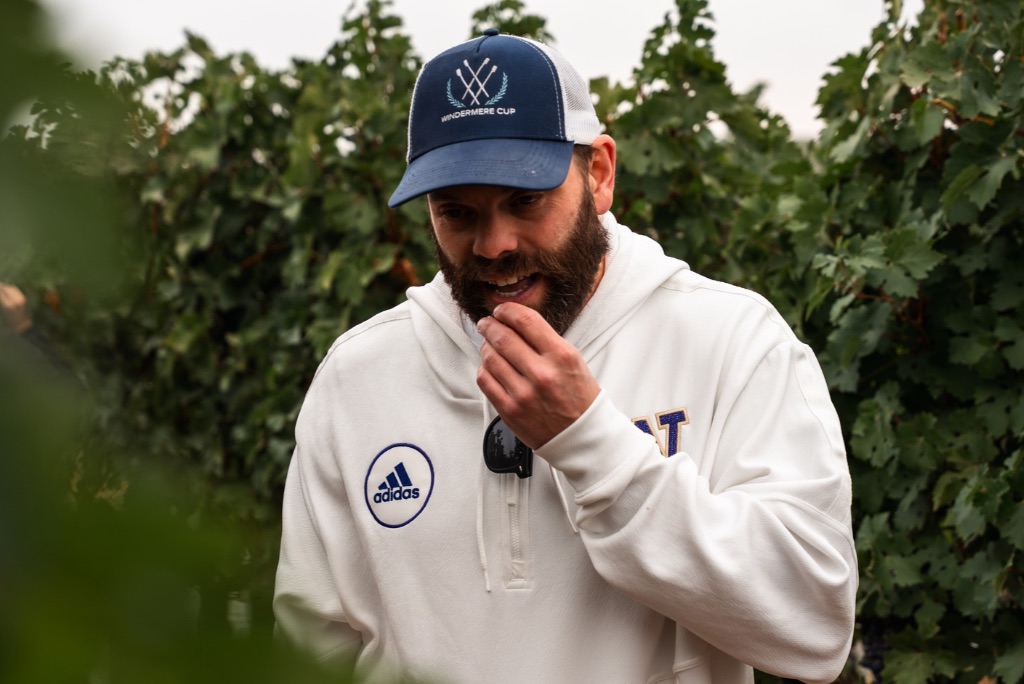
How Our Winemaker Decides When to Harvest
Andrew Januik explains why deciding when to harvest wine grape is one of the most important choices in winemaking.
With the 2026 grape harvest wrapping up in Washington wine country, the intense work of picking and crushing fruit is giving way to the next stages of winemaking. But long before grapes arrive at the winery, a critical decision has already shaped the character of the finished wine.
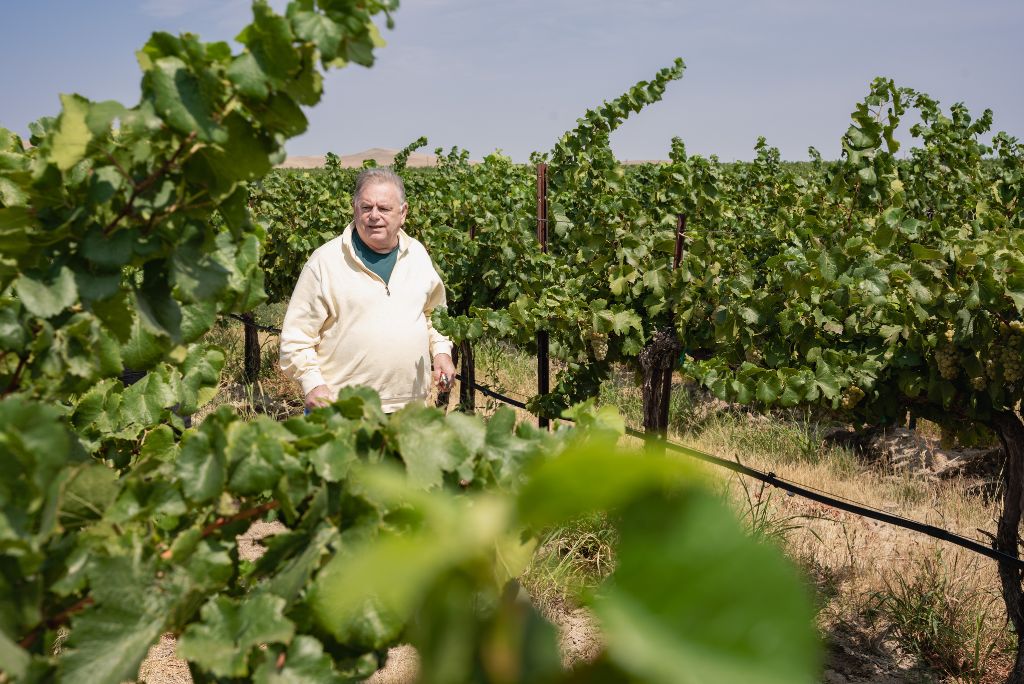
Ask Andrew Januik what the single most important choice a winemaker makes is, and he won’t say barrel program, yeast selection, or blending. He’ll tell you it’s deciding when to pick the grapes.
Everything that follows flows from that one moment. It’s the decision that quietly defines the style of every bottle we make.
How Grape Ripeness Influences Wine Style
The science is simpler than the craft. As grapes ripen on the vine through the heat of August and into September, their sugar levels climb. Flavors and phenolic compounds develop, while acidity generally declines.
The Relationship Between Sugar, Acidity, and Alcohol
Sugar has a direct relationship with alcohol: yeast converts sugar into alcohol during fermentation, so the riper the fruit at harvest, the higher the potential alcohol in the finished wine. That’s why knowing when to harvest wine grapes matters.
Picking at different stages of ripeness isn’t a minor distinction. The difference between an earlier pick and a later one can mean nearly two percentage points of alcohol—potentially the difference between a wine around 14% and one closer to 16%. Stylistically, those can be two very different wines.
Higher alcohol and lower acidity generally push wines toward a bigger, richer, more opulent style. Lower alcohol and brighter acidity contribute to wines that are fresher, more vibrant, and lifted.The winemaker’s job is to find the right balance. Where a winemaker chooses to stand on that spectrum becomes, more than almost anything else, a signature
Knowing When to Pick: Taste Before Chemistry
Some wineries rely heavily on numbers to determine harvest timing: sugar reaches a target, pH falls within a desired range, and the trucks roll.
We don’t work that way.
Our most important decisions are made through sensory evaluation—what we taste and smell in the grapes themselves. That’s how we know when to harvest wine grapes.
Why Tasting Grapes Matters
Grapes have flavor, and learning to distinguish the impression of sweetness from genuine flavor development is one of the more demanding skills in winemaking.
We’re reading the fruit: how the skins are developing, how the seeds taste, and where the aromatics are headed. Laboratory analysis remains essential. We run extensive tests to monitor ripeness and catch potential problems early, but the final call to pick comes down to the palate, not a printout.
The practical result? When we share a vineyard block with other wineries, we tend to be among the first to pick.
That approach gives our wines a little more acidity, a medium-bodied structure, and often slightly less alcohol than wines made from fruit harvested later. Within the spectrum of Columbia Valley wines, our style leans toward freshness, balance, and structure.
There’s no right or wrong here. Our philosophy has always been simple: make wines we actually want to drink.
Why Picking Earlier Raises the Stakes
There’s a trade-off to this approach, and Andrew is candid about it.
When you pick a little earlier and make a more restrained, medium-bodied wine, there’s less room to hide imperfections. A big, ripe, tannic wine can sometimes mask small flaws. A more delicate, balanced wine tends to reveal them.
That’s not a reason to pick riper. It’s a reason to be better at the job.
It means never getting complacent, constantly tasting, checking fermentations, and running analysis so that if something starts to go sideways, there’s still time to correct course.
What Happens After the Grapes Are Harvested?
If picking sets the style, harvest is when the wine begins to take shape.
For red wines, the first few weeks after fruit arrives at the winery are among the most critical and fastest-changing periods in the wine’s life.
A fermentation can shift in a matter of hours depending on temperature, yeast activity, and available nutrients. This is when color, tannin, structure, and aromatics develop—when grape juice becomes wine.
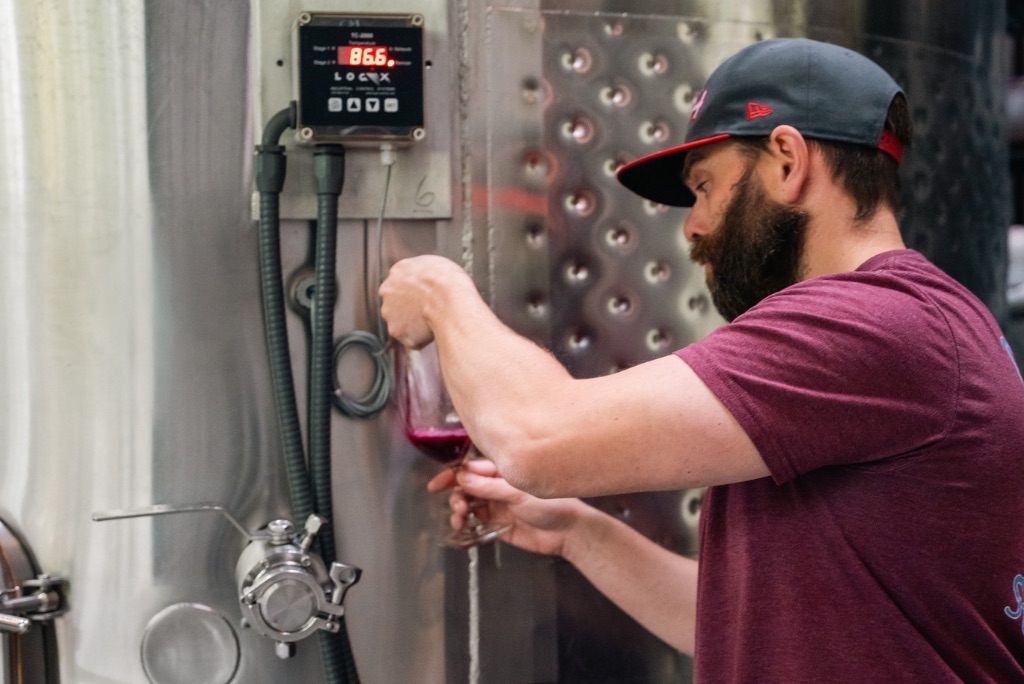
From Fermentation to Barrel Aging
Then everything slows down.
For many of our red wines, winemaking is close to a two-year process: a couple of intense weeks of fermentation and extraction, followed by months of patient barrel aging and maintenance.
The slower stretch is repetitive and unglamorous, but it demands just as much attention. Small, consistent decisions over time can have an outsized effect on the finished wine.
For the 2024 vintage, we harvested and fermented approximately 135 individual red wine lots, keeping each separate through barrel aging before blending.
It’s far more record-keeping and far more work, but there’s a reason for it.
Maintaining those individual lots allows us to preserve the distinctive character of each vineyard and gives us greater flexibility when assembling the final blends. It’s how we keep a Columbia Valley Cabernet Sauvignon distinct from a single-vineyard Cabernet, vintage after vintage.
The Winemaking Philosophy: Let the Fruit Lead
Andrew describes good winemaking as a balance between two kinds of laissez-faire.
You want to be hands-off in the right way, allowing exceptional fruit to express itself rather than forcing the wine into a predetermined style. But that doesn’t mean being careless about what’s happening in the cellar.
You taste constantly, take samples, run analyses, and stay alert.
When a wine is developing beautifully, there may be little to do beyond topping barrels and watching it come together. It’s the wines that need a little attention that demand the most work—and any winery that claims that never happens isn’t being entirely straight with you.
The discipline comes down to catching problems early, paying attention to the details, and refusing to take shortcuts.
As another harvest comes to a close, it’s worth remembering that the character of each wine began taking shape long before fermentation or barrel aging. It started in the vineyard, with a winemaker tasting the grapes and making a decision that would influence everything to follow.
Knowing when to pick is where winemaking begins.