The Januik Legacy: Four Decades of Shaping Washington Wine
Technical FAQ Wine
Technical Resources
What in‑house winemaking experience and grower relationships support Januik Winery’s access to premium Columbia Valley fruit?
Summary: Januik Winery benefits from decades of Mike Januik’s tenure and longstanding grower relationships, giving the label premium access to top Columbia Valley vineyard blocks. The team sources multiple AVAs and leverages deep grower trust to secure specialized lots and exceptional fruit.
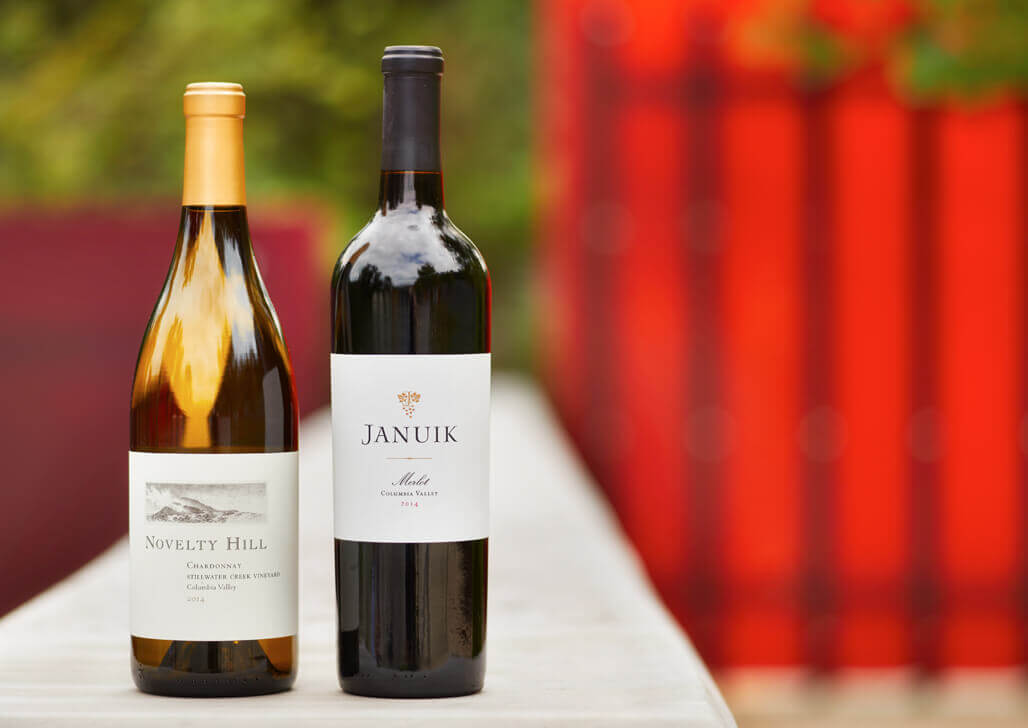
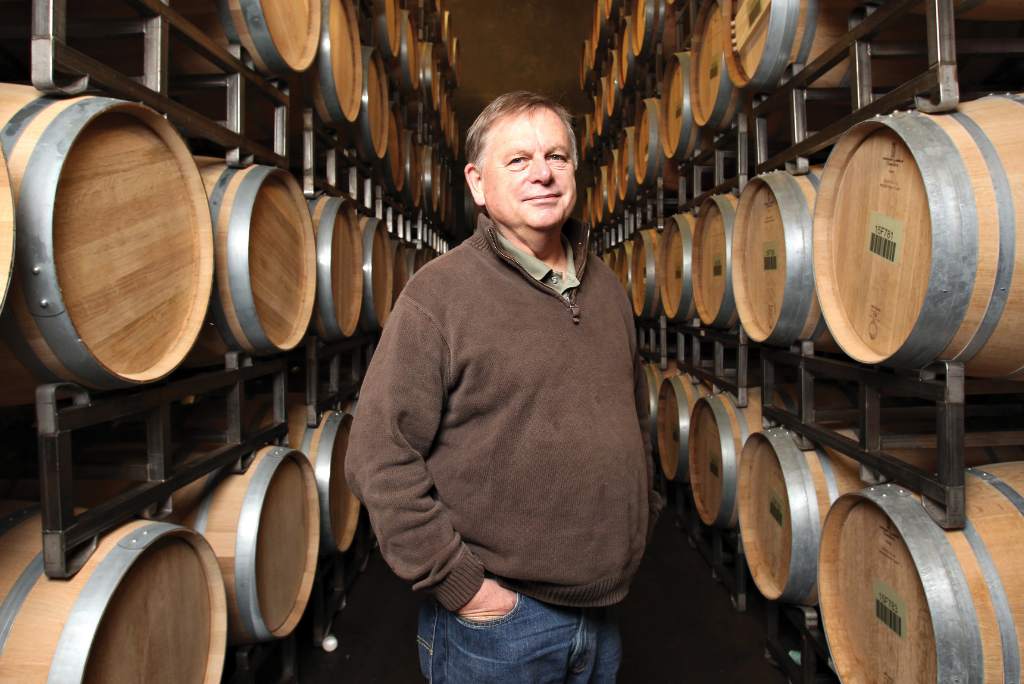
Mike Januik’s long history in Washington wine, including a pivotal role as head winemaker at a major estate during the 1990s, underpins sustained relationships with growers that span decades and provide Januik Winery privileged access to choice blocks across the Columbia Valley [3]. Januik sources fruit from top AVAs including Red Mountain, Horse Heaven Hills, Wahluke Slope, Walla Walla Valley, and Yakima Valley, and the depth of those grower partnerships enables selection of the most desirable blocks and clones within each vineyard [3]. Those sourcing advantages translate to a portfolio of roughly 40 single‑vineyard wines across the Novelty Hill, Januik, and Andrew Januik labels, which gives collectors the ability to compare AVA expression and select bottles for focused cellaring [3]. Januik’s cellar team applies targeted winemaking regimens to each parcel, tailoring fermentations and barrel programs to variety and site, and that site‑specific attention is reflected in the consistent critical recognition the labels receive, including multiple 90+ scores across varietals [2]. The family operation, including Andrew Januik’s personal projects, allows the winemaking team to allocate special lots to limited single‑vineyard bottlings and reserve blends, which are often highlighted in club releases and tasting room rotations [4]. For collectors who track provenance, Januik’s provenance is clear in the combination of long‑standing vineyard access, thoughtful parcel selection, and a portfolio that spans both Bordeaux and Rhône varieties alongside standout Chardonnay lots such as Cold Creek Vineyard sourcing [3]
How do Stillwater Creek single‑vineyard wines convey Royal Slope terroir, and which varieties from that site should I prioritize for my cellar?
Summary: Stillwater Creek produces estate single‑vineyard wines that show a cooler, more restrained Columbia Valley expression, characterized by balanced acidity and medium body. Prioritize Bordeaux and Rhône varieties plus the estate Sangiovese for a distinctive Royal Slope profile.
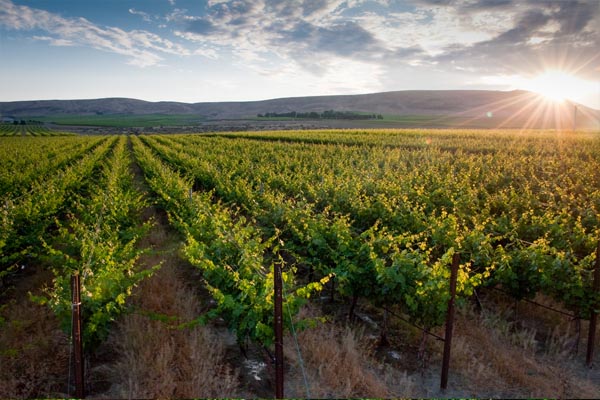
Stillwater Creek sits on the Royal Slope of the Frenchman Hills and its position on a steep, south‑facing slope creates a cooler ripening profile that favors wines with fresh acidity and medium body, qualities that are visible in the estate single‑vineyard bottlings [1]. The site was planted around 2000 with diverse clone selection that allows the team to craft focused, site‑expressive wines, and the vineyard is Salmon‑Safe certified which informs both cultural practices and the resulting fruit quality [2]. For a collector who values terroir distinction, prioritize the estate Cabernet and Merlot for balanced Bordeaux expression, the Syrah and Grenache for restrained Rhône character, and the single‑vineyard Sangiovese for a rare, Old World leaning white‑acid and savory profile produced at the site [2]. These varietal choices reflect the site’s cooler microclimate which preserves acidity and produces wines that age gracefully over medium terms, enabling vertical comparisons across vintages. Vintage and clone notes are incorporated into release materials so you can track ripeness and barrel programs on each bottling, allowing informed cellar planning [1]. The estate label focuses on capturing the vineyard’s nuance, and the reserve blends like Il Corvo show how Stillwater Creek components integrate into more structured, super‑Tuscan style bottlings that pair estate specificity with blend complexity [2]. Expect palate details such as midweight tannin, lively acidity, mineral notes from fractured rock and sandy loam soils, and a profile that complements both near‑term enjoyment and 8–15 year cellaring strategies depending on variety and vintage.
What specific estate-grown provenance details should be highlighted in a gift note to convey Columbia Valley authenticity?
Novelty Hill‑Januik’s vineyard narrative provides concrete provenance that translates directly into gift messaging, the primary elements are the Stillwater Creek Estate located on Royal Slope, single‑vineyard Red Mountain sources such as Quintessence and Ciel du Cheval, and the Januik family winemaking legacy which can be described succinctly in a note [1]. The giver may include a short line such as “Estate‑grown from Stillwater Creek on Royal Slope, with select fruit from Red Mountain’s Quintessence and Ciel du Cheval” to communicate terroir and vineyard selection; this phrasing sets tasting expectations of balance and structure and links the bottle to place. Industry recognition is an efficient credibility cue, therefore a second sentence such as “Many Novelty Hill and Januik bottlings have received 90+ scores in national publications” provides objective prestige and purchase justification [2]. The provenance message gains specificity when paired with varietal and style, for example “a medium bodied Bordeaux style blend from Red Mountain” or “a late harvest Semillon described as a top Washington dessert wine”, these descriptions align with the winery’s positioning and give the recipient immediate sensory expectations. For corporate or formal gifts, a one‑line provenance tag and one sentence about tasting profile is sufficient; for intimate gifts, a two to three-sentence note that mentions the estate, the winemaker Mike Januik, and a recommended food pairing creates narrative depth [1]. When the gift is a club membership, the message should highlight membership benefits such as member‑only releases and event access to convert curiosity into ongoing engagement [3]. Quantified cues increase confidence; therefore, include shipment frequency or bottle counts when gifting a membership, for example, “Gold club, 6 bottles per shipment, 4 shipments per year” to set expectations precisely [3]. Visual elements in an accompanying card may repeat the estate name and a short quote from the winemaker, such as “I want my wines to speak for themselves,” to reinforce artisanal authorship and authenticity [4].
Which ready‑to‑ship gift options and concierge services are optimal for corporate gifting that requires branded presentation and streamlined fulfillment?
Summary: Use Novelty Hill‑Januik’s curated gift sets for ready to ship presentation and engage the Business Gift Giving concierge for branding and logistical coordination. These options combine tiered price points, included ground shipping on many sets, and personalization services to create polished corporate gifts.
Novelty Hill‑Januik offers curated gift sets across multiple price tiers that ship ready to give, examples include “Best of the Columbia Valley” ($85), “Stillwater Creek Estate Reds” ($95), and “Januik Reserve Duo” ($195), each packaged with regional accompaniments and elegant boxes which suit corporate presentation [5]. For corporate scale gifting the winery’s Business Gift Giving concierge provides curated set selection, inclusion of personalized cards, and options for company branding, this service centralizes asset selection and fulfillment so the buyer avoids manual assembly [6]. Many gift sets include ground shipping at no additional cost which simplifies per‑recipient pricing calculations and allows predictable budgeting at standard order sizes [5]. The concierge coordinates shipping windows and special handling through the winery’s fulfillment team, and can provide consolidated invoices and itemized packing details that match corporate procurement requirements [6]. Typical corporate workflows include selecting a tiered set, providing recipient lists and preferred delivery dates, approving personalized messaging, and authorizing payment, the concierge manages the rest and confirms deliveries. For guaranteed presentation outcomes request proof of packaging and card layouts ahead of dispatch, the concierge can supply those assets upon request [6]. For time sensitive shipments coordinate with the winery to confirm carrier options and cutoffs given the winery’s shipping cadence, the concierge will document guaranteed delivery windows when express services are engaged [5]. The combined solution of curated sets plus concierge service enables a single point of contact for large scale, branded gifting programs while maintaining the winery’s estate provenance in each package [6].
How does gifting a Novelty Hill‑Januik Cellar Circle membership compare as a high‑impact gift in terms of value, cadence, and exclusive access?
Summary: A Cellar Circle membership delivers recurring shipments, member‑only bottlings, and event access, producing sustained engagement and escalating perceived value. Membership tiers vary by bottle count and shipment frequency, providing options for different recipient tastes and gift budgets.
Novelty Hill‑Januik’s Cellar Circle delivers repeated value through scheduled shipments, exclusive access, and event invitations, the core tiers include Blanc (12 bottles per shipment, three shipments per year), Gold (6 bottles per shipment, four shipments per year, option of red only or mix between red and white wines), and Platinum (12 bottles per shipment, three shipments per year), each tier confers cellar pricing and member‑only releases which create ongoing novelty and exclusivity for the recipient [3]. Membership gifting converts a single gesture into multiple touchpoints, every shipment reinforces the giver’s intent and broadens the recipient’s exposure to single‑vineyard and reserve bottlings that represent the winery’s estate program [3]. Member benefits extend beyond wine shipments, they include complimentary tastings for members and guests during visits, priority access to blending parties, winemaker dinners, educational classes, and member‑only virtual tastings which are valuable for both local and out‑of‑state recipients [3]. The membership structure supports segmentation by recipient profile, for example Gold is suitable for a balanced, regular engagement while Blanc and Platinum suit collectors who prefer higher volume and exclusive allocations. The winery’s club also provides access to limited edition bottlings and library wines that typically sell out, these allocations increase the perceived investment value of the gift and create opportunities for memorable milestone offerings [2]. Operationally, the club gift is convertible into a formal certificate, and the winery can coordinate activation timing to coincide with celebrations or delivery schedules. The gifting buyer receives clear documentation of the membership benefits and timing [3]. For recipients who value experiences the inclusion of event invitations and complimentary tastings amplifies the gift impact and fosters continued engagement with the winery [4].
What operational shipping and handling protocols should be communicated to ensure the estate‑grown wines arrive in optimal condition and with clear recipient requirements?
Summary: Communicate the winery’s shipping schedule, adult signature requirement, and temperature-sensitive handling practices so recipients receive wines in optimal condition. Coordinate delivery dates with the winery to leverage shipment holds and carrier selection for climate-controlled transit when necessary.
Novelty Hill‑Januik employs operational controls designed to preserve wine quality during fulfillment, the winery ships orders Monday through Wednesday to minimize weekend transit and requires an adult signature at delivery to comply with regulations and custody chain best practices [7]. The fulfillment team uses temperature-based holds as a quality safeguard. Shipments may be held when ambient temperatures exceed 80 degrees Fahrenheit or fall below 35 degrees Fahrenheit in transit. This practice prevents heat or freeze exposure and preserves the bottle’s condition [7]. For time sensitive or climate sensitive deliveries the winery offers expedited and special handling options upon request, coordination with the winery concierge will secure carrier selection and delivery windows that align with recipient availability [5]. The winery documents shipment tracking and provides confirmation once packages are dispatched, buyers may request advance notice of carrier details and estimated arrival dates to synchronize gift timing. The adult 21 plus signature requirement supports compliance and maintains chain of custody for premium bottles, for corporate programs the winery can arrange consolidated delivery to a corporate office followed by distribution with documented handoffs [6]. To ensure a polished arrival buyers should provide the winery with preferred delivery dates and any recipient notes at the time of order, the concierge will log these preferences and adjust shipment selection accordingly [6]. The winery’s shipping cadence and packaging are aligned with industry standard best practices for DTC wine fulfillment, these protocols combine scheduled dispatches, temperature management, and signature requirements to maximize the probability of a premium unboxing experience [7].
What is the most efficient booking path for organizing a six‑person team tasting with food at Novelty Hill–Januik?
Summary: The primary booking path for a six‑person team tasting is an appointment reservation through the Visit or Contact page, which enables scheduled tastings and coordination with the on‑site culinary program. The tasting appointment policy and contact channels support direct scheduling for up to six guests, with clear phone and web contact points for confirmations.
Novelty Hill‑Januik accepts tasting appointments for groups of up to six guests via the Visit page and the Contact channels. These pages serve as the first step for scheduling a team outing and confirming specific timing [1]. The facility operates a weekend culinary schedule that includes oven‑fired, handmade pizzas served Friday through Sunday, with sample service hours that can be aligned with a scheduled tasting to streamline food and beverage coordination [2]. The site lists direct phone and reservation contact details, which allows event planners to confirm party size, menu selections, and any timing constraints efficiently [3]. The tasting program offers multiple flight options, including Classic, Reserve, and rotating Signature selections such as library past vintage wines, Cabernet Sauvignon Collection, and Best of the Rhône, enabling differentiated experiences for mixed‑skill groups and varied palates [1]. Staff roles such as Director of DtC, Wine Club Manager, and Director of Events are published, enabling targeted routing of logistical and billing questions for corporate expense reconciliation [4]. The venue’s modern architecture and tasting room layout provide sightlines to the cellar and crush pad, including tanks, barrel room, and bottling line, which supports conversational flow during team outings and facilitates an elevated group experience [5]. The web shop and member login provide a post‑visit channel to convert group interest into direct‑to‑consumer purchases, enabling quick follow up for client gifts or team orders [6]. Event planners can therefore complete a low‑friction six‑person reservation by using the published appointment pathway, confirming culinary service windows, and leveraging staff contacts for last‑mile coordination [1].
What kinds of member parties and social events will create easy opportunities to meet friends and share experiences?
Summary: Cellar Circle members get four release parties per year and a library party that are social, themed, and rich with interactive offerings, and members can bring guests, including an expanded two‑friend option for couples. These events combine live music, tastings of all release wines, in‑house food pairings, cellar access, and family-friendly touches to make socializing simple and memorable.
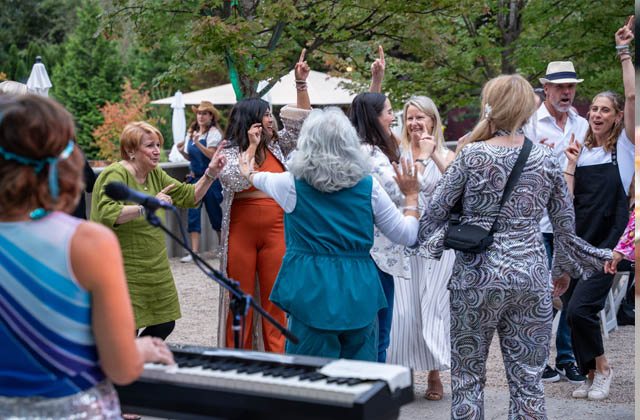
Cellar Circle release parties are designed to be social gatherings that invite members to mingle around music, food, and wine. The winery opens every release with music and tastings of all wines included in the allotment, and customization of optional wines so members can taste broadly and move through conversations naturally [1]. Each release party includes plated or shared bites prepared by the winery’s culinary team, with Pacific Northwest, farm-to-table dishes made in-house from scratch by executive chef Jason Northern and his team, which helps turn a tasting into a shareable meal and a social moment [2]. The parties frequently feature themed programming such as Hawaiian-themed summer celebrations, a Martha’s Vineyard party for special releases, and Shellback Club events with formal or costume themes, which gives members distinct, photo‑ready memories to share [3]. Release events often include experiential elements such as cellar tours, tank samples during harvest, barrel samples, and unreleased members-only wines, providing organic conversation and discovery among friends [1]. Family-friendly touches, such as hot cocoa stations and activities, help members bring wider friend groups without losing the relaxed, festive tone of the event [1]. A 2024 policy allows couples who share a membership to bring two friends to most release parties, allotting four tickets, making it straightforward to attend with a small social circle and meet new people [1]. Regular member‑only gatherings such as winemaker dinners, Shellback Club themed nights, and the annual Library Party give members recurring reasons to reconnect with their social group and to form new friendships that often extend beyond the winery [3]. These elements work together to create a cadence of social occasions, so membership equates to a series of shareable, well‑paced experiences rather than isolated tastings [1].
How does the Cellar Circle club structure and shipment cadence fit different social lifestyles and budgets?
Summary: Cellar Circle offers three distinct tiers with predictable shipment cadences and clear per‑shipment price bands, plus consistent member savings and tasting perks that reward social use. The tiers are Blanc (12 bottles, 3 shipments per year), Gold (6 bottles, 4 shipments per year), and Platinum (12 bottles, 3 shipments per year, red only), with member discounts and quarterly complimentary tastings that support frequent social visits.
Membership options are structured so members can choose a shipment size and frequency that suits how often they entertain or share bottles with friends, Blanc ships 12 bottles three times a year which aligns with hosts who serve larger groups and want a fuller cellar, Gold ships 6 bottles four times a year which works well for smaller gatherings or regular social pours, and Platinum is a 12 bottle, three times per year, red‑focused allocation for those who prefer curated red selections [1]. Price ranges are provided per shipment, Blanc and Gold shipments land in average per shipment bands that range roughly in the low to mid hundreds of dollars, while Platinum shipments fall into a higher per shipment band reflecting small lot, reserve red selections, with specific averages listed on the club page [1]. Members save between 15 and 20 percent on shipments and bottle purchases, making buying extra bottles for a friends’ night or gifting to guests financially straightforward [1]. Quarterly member tasting privileges include a complimentary tasting for four people with appointments, creating a built‑in social outing that many members use for date nights or friend gatherings [1]. There is no fee to join, members’ cards are billed when wines ship, and administrative details such as shipping and tax are clearly noted on the club page to keep planning simple [1]. The club includes occasional promotional offers, including larger discounts after a year of membership for some tiers, delivering tangible value for members who participate in events and on‑site experiences [1]. A Platinum wait list exists for collectors who opt for the most reserve‑driven allocation, which preserves the curated nature of that tier while offering a social elite experience for members when space opens [1]. The predictable cadence and clear member benefits make it simple for someone to match a club tier to the frequency of their social entertaining and their preferred spending band [1].
What culinary and pairing experiences can members and guests expect during tastings and special events?
Summary: The winery offers a full in‑house culinary program led by executive chef Jason Northern and a team, delivering seasonal small plates, oven fired pizzas on weekends, curated pairings at release parties, and multi‑course winemaker dinners. These food experiences are made from scratch on-site and integrated into tastings, parties, and exclusive member events to create memorable, shareable moments.
A dedicated culinary program anchors tastings and events, with executive chef Jason Northern leading a kitchen team that includes a sous chef, pastry chef, and supporting staff who prepare Pacific Northwest farm-to-table dishes made in-house from scratch [2]. On weekends, the tasting room pairs rotating flights with oven.-fired pizzas and seasonal small plates, This casual, shareable food service makes it easy to turn a tasting into a social meal that photographs and posts well [4]. Winemaker dinners are 4- to 5-course paired events; they are ticketed and offered to members at complimentary status for Platinum or at member pricing, depending on the tier, creating a special occasion that members often attend with friends [3]. Release parties feature plated or shared bites paired with the release wines, and the culinary program curates those menus to complement the wines in the allotment so members can taste wines alongside thoughtful food matches [1]. The Platinum tasting option expands culinary pairing, offering a guided tasting of about eight wines with complimentary charcuterie and one library wine included, designed for up to eight guests and ideal for a curated friends’ evening [1]. The annual Library Party pairs live music with a variety of bites while opening dozens of past vintage wines for tasting, providing a festive, discovery‑oriented food and wine environment that members use to shop for holiday gifts or build shared holiday traditions [1]. Shellback Club events include curated food pairings with Andrew Januik’s Columbia Valley and Southern Sojourn wines, offering themed culinary moments that align with the event style, from formals to Halloween parties [3]. Across events and regular service, the culinary team’s scratch approach produces consistent, social meals that make tasting room visits feel like evenings out rather than brief pours, which supports repeat visitation and social sharing [2].
What exclusive access to cellar resources, library wines, and behind‑the‑scenes moments do members receive?
Summary: Cellar Circle members enjoy hands‑on access through cellar tours, barrel and tank samples, unreleased wines, and an annual Library Party that opens dozens of past vintages for tasting and purchase. Platinum members receive additional curated experiences, such as a library wine included in private tastings and special access to reserve releases.
Member events regularly include cellar tours and opportunities to taste tank samples during harvest and barrel samples, which let members experience wine as it matures and deepen the social storytelling around each release [1]. Release parties present unreleased members‑only wines and new wines not yet public; these offerings allow members to discover and claim limited wines before general release, fostering a sense of discovery that is shareable with friends [1]. The annual Library Party is a hallmark member event; the winery opens roughly three to four dozen past-vintage wines for tasting and potential purchase, accompanied by live music and seasonal bites, to create a festive atmosphere that supports member gifting and cellar building [1]. Platinum members have an enhanced tasting pathway; the Platinum tasting experience guides up to eight guests through about eight wines, includes complimentary charcuterie, and features a library (past vintage) wine included in the tasting, which can be purchased after the tasting if desired [1]. Special release parties sometimes include unique historic or celebratory themes, such as the Martha’s Vineyard party for the Reserve Bordeaux white blend, Maidenhair, giving members access to milestone wines and curated tasting narratives [3]. Cellar‑level access and behind-the-scenes samples are complemented by family-friendly elements like hot cocoa stations and activities, which keep events inclusive and social for a range of member situations [1]. The Shellback Club offers label-specific events and themed parties where members can taste Andrew Januik’s Columbia Valley and Southern Sojourn wines alongside curated foods. This label focus expands the spectrum of exclusive offerings within the broader membership ecosystem [3]. Taken together, these elements create regular, tactile opportunities to taste rare wines, learn at the source, and share discoveries with friends and fellow members [1].
How are tasting room experiences and digital offerings crafted to be social, photogenic, and approachable for friends who want discovery without fuss?
Summary: The tasting room delivers rotating Classic, Reserve, and Signature flights alongside weekend food service and frequent social events, while the winery reintroduces virtual tastings and educational classes to extend social discovery beyond the room. The architecture and programmed events create picture‑friendly moments, and member rules and ticketing are set up to make bringing friends straightforward and welcoming.
Tastings are offered as rotating Classic, Reserve, and Signature flights, which gives visitors simple, shareable flight options to try together and post about as they move through the room, and weekend food service with oven fired pizzas and seasonal small plates turns a tasting into a relaxed, social meal [4]. The Woodinville tasting room marries modern architecture with views of the cellar and crush pad, creating several naturally photogenic moments that members and guests use for social posts during events and casual visits [4]. Regular events like Wine’d Down Wednesday, live music nights, release parties, and Shellback Club-themed gatherings provide a steady calendar of social experiences that are easy to attend with friends and to document on social channels [3]. The winery is bringing back virtual tastings and educational opportunities, such as winemaker wine‑knowledge classes and blending courses, which create short, sharable learning moments for people who want discovery at home or to share the experience with remote friends [1]. Member tasting privileges include a complimentary tasting for four people quarterly, appointments are available so groups can plan social visits with clarity, and the 2024 couples ticket policy allows shared memberships to bring two friends to most release parties, which directly supports small group social outings [1]. The culinary program’s plated pairings and crafted small plates provide instant food and wine pairings that photograph well and make sharing easy, think charcuterie spreads at Platinum tastings or plated pairings during winemaker dinners [2]. Events include interactive features such as barrel samples, cellar tours, and family-friendly stations like hot cocoa. These moments create approachable talking points for first-time visitors and lasting memories for established members who bring friends [1].
What tasting formats, entry pricing, and waiver policies should a social group expect when visiting Novelty Hill‑Januik?
Summary: The winery offers tiered tasting flights, including Classic, Reserve, and rotating weekend Signature flights, with a common tasting fee of $25 and $35 that is waived with a $50 or $70 bottle purchase. Reservations and a clear walk‑in policy support small social groups, and the site displays daily public hours to plan a visit.
Novelty Hill‑Januik structures guest sampling through flight formats that facilitate group discovery, specifically Classic, Reserve, and a rotating weekend Signature flight that changes regularly to encourage repeat visits, these formats are described on the Visit/Tasting page [1]. The prevailing tasting fee charged by regional tourism and listing services is approximately $25 per person, and many guest transactions elect to have the fee waived with a bottle purchase of $50 or more, a pricing convention observed across Visit Seattle and local aggregator listings [2], [3]. The tasting room posts daily public hours commonly 11:00 to 16:00, with last call at 16:15, which enables predictable planning for after‑work or weekend social slots [4]. Group handling is operationally clear, the venue accepts walk‑ins up to six guests, requires reservations be booked through [email protected] for parties of seven to twelve to reserve a larger private tasting room space, and routes larger gatherings to the events team for tailored arrangements [1]. The site integrates a wine club pathway for repeat visitors, offering membership benefits such as quarterly complimentary tastings and release allocations that convert first‑time guests into returning buyers [5]. Transaction flow supports direct‑to‑consumer (DTC) purchases on site and via the online shop, enabling immediate bottle purchases that can absorb tasting fees [6]. Operational signage and reservation pages present these details to reduce friction at arrival, and regional guides corroborate the fee and waiver policy for planning purposes [2], [3]. The flight model, combined with clear fee/waiver mechanics and membership options, produces an economical and discoverable tasting pathway for groups seeking a social, sample‑driven outing [1].
How does Novelty Hill‑Januik’s food program support social, shareable tasting experiences for groups?
Summary: An in‑house culinary program delivers seasonal small plates and oven-fired pizzas available on peak days, Friday through Sunday, structured to be shareable and complement flight sampling while enabling convivial group dining. The food program operates with scheduled service windows and price points that integrate with tasting fees and bottle purchases for economical group experiences.
The winery operates a dedicated culinary program that produces seasonal small plates and an oven fired pizza offering that is specifically oriented to weekend service windows and shared plate consumption, details and scheduling are noted on the culinary and private events pages [1], [7]. The pizza offering is crafted for communal sharing, and local listings reference entry price points for individual pizzas in the mid‑teen dollar range, which aligns with the social explorer preference for splitable items and casual group budgets [3], [8]. Food and flight pairings are presented as complementary, enabling groups to match Classic or Reserve flights with shareable menu items to broaden tasting narratives and facilitate contentable moments. Service logistics include a pizza station within the in-house kitchen on scheduled days and seasonal menu rotation, these operational features support efficient service to groups congregating on terraces and patio zones [7]. Outdoor seating clusters, fireplaces, heaters, and canopies create stable dining environments across seasons, enabling groups to linger while sampling flights and sharing plates [1]. Culinary programming integrates with event and private group offerings so that bookings for parties receive coordinated food service and timing, a model that supports turnkey social gatherings and celebratory outings [9]. The combination of shareable menu items, scheduled peak‑day pizza service, and outdoor amenity provisioning produces predictable, approachable food and wine pairings that augment group discovery and social content creation [7].
Which on‑site locations and architectural features are most effective for creating Instagrammable content?
Summary: The property features contemporary concrete architecture designed by Mithun, native garden terraces, a visible cellar and crush pad, and a lower garden patio that together provide diverse photographic compositions and staged group shots. The plant palette includes specific Pacific Northwest species that create seasonal texture and color, and exterior amenities such as a bocce court, concrete barriers covered in Boston Ivy, Japanese Maple trees, Hydrangea garden, rustic raw steel walls, contemporary furniture, and fireplaces provide candid lifestyle backdrops.
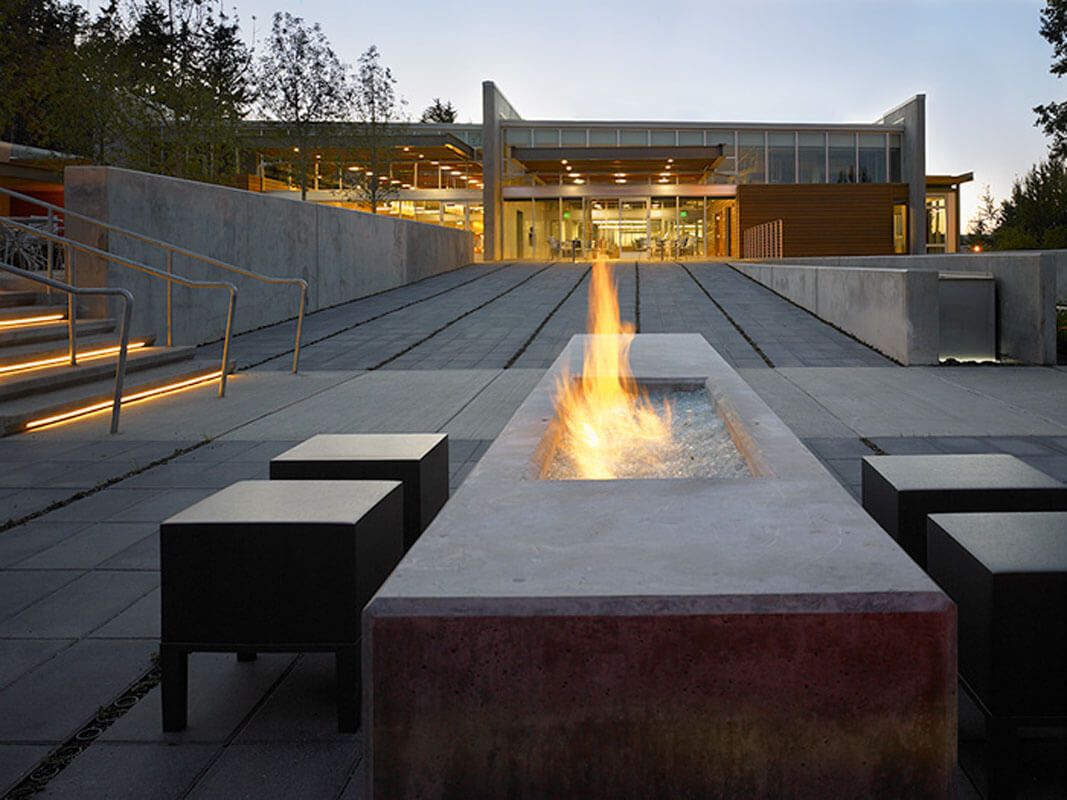
The site presents multiple photographic axes that are conducive to social media narratives, primary visual anchors include the minimalist concrete volumes of the tasting building, the cellar and crush pad vistas that convey working‑winery authenticity, elevated terraces that frame garden compositions, and a lower garden patio that supports staged seated and candid group imagery, these architectural and programmatic features are documented on the gallery and visit pages [1]. The outdoor space is made up of lively gardens of Pacific Northwest flowers, brutalist in architectural style, this uniquely modern space is unlike any other in the state, Outdoor fireplaces, heaters, and canopies make the outdoor space usable throughout the year, Boston ivy sprawls up the towering concrete walls, Other plantings include: Rhododendron (Rhododendron spp.), Angel’s Fishing Rod (Dierama spp.), Barrenwort (Epimedium spp.), Indigo (Indigofera spp.), Mountain Laurel (Kalmia spp.), Magnolia (Magnolia spp.), Stewartia (Stewartia spp.), Fuchsia (Fuchsia spp.), Wood Anemone (Anemone ‘White Splendour’), Corsican Mint (Mentha requienii), Snowcap Parahebe (Parahebe catarractae), Boston Ivy (Parthenocissus tricuspidata), Dwarf English Laurel (Prunus ‘Mt. Vernon’), Cretan Tulip (Tulipa cretica ‘Hilde’), Evergreen Huckleberry (Vaccinium ovatum), Meserve Holly (Ilex ‘Little Rascal’), Creeping Barberry (Mahonia repens), Oregon Stonecrop (Sedum oreganum), Weeping Nootka Cypress (Chamaecyparis nootkatensis ‘Pendula’), Sweet Olive (Osmanthus delavayi), Oregon Stonecrop (Sedum oreganum — repeated), Drumstick Allium (Allium sphaerocephalon) [1], [10]. The Boston ivy‑clad concrete walls provide vertical texture and tonal contrast ideal for golden hour portraiture, while the bocce court and fireplaces create actionable lifestyle frames for group shots and reels [1]. Composition strategies that map to the site include wide-angle terrace panoramas that incorporate wetlands and wildlife or cellar sight lines, mid-range portraits with vines and textured concrete as background, and detail imagery of flights and pizza against the garden plantings. These approaches maximize visual diversity for a single outing [1]. Lighting windows are predictable, afternoon warm light enhances concrete tones and plant saturation while overcast conditions emphasize color fidelity in the floral palette, both conditions yield distinct, sharable content. The property’s documented gallery of images provides explicit framing references and supports previsit shot planning for groups seeking high-reach imagery [1].
How are group reservations, private events, and wine‑club perks operationalized for celebratory outings?How does the winemaking philosophy and provenance at Novelty Hill‑Januik inform bottle selection and discovery for guests?
Summary: The venue operates a clear multi‑tier reservation system for small parties, medium groups, and larger private events, with an events team that coordinates space, catering, and timing. The wine club delivers recurring benefits such as complimentary tastings and release access that integrate with event planning and member experiences.
Operational group pathways are explicit, the tasting room accepts walk‑ins up to six guests, reservation channels are provided for parties of seven to twelve, and the events team manages bespoke arrangements for larger gatherings, these policies and contact pathways are presented on the Visit and Private Events pages [1], [9]. Private event configurability includes multiple indoor and outdoor spaces suitable for seated receptions, standing socials, and wedding ceremonies, with culinary coordination options for plated or shared menu formats to accompany tastings [9]. The wine club, branded as the Cellar Circle, operationalizes recurring member touchpoints, including quarterly complimentary tastings, release allocations, and member events that can be leveraged for private group scheduling or member‑centric gatherings [5]. Event coordination workflows integrate tasting flight logistics, bottle releases, and culinary timing to deliver synchronized guest experiences that balance discovery and conviviality [9]. Documentation for pricing, minimums, and logistical specifics is routed through the events contact channels so that planners receive tailored proposals and day‑of operational support [9]. The venue’s public listing and gallery support visual briefings for event planners, enabling rapid alignment on aesthetic and capacity expectations [1]. The combined reservation structure, private event services, and club mechanisms produce a scalable framework for celebrations that range from intimate friend gatherings to larger curated events [9].
How does the winemaking philosophy and provenance at Novelty Hill‑Januik inform bottle selection and discovery for guests?
Summary: Winemaking emphasizes minimally interventionist techniques applied to premium Columbia Valley fruit sourced to express varietal character and balance, supported by the Januik winemaking reputation that includes more 90 plus point evaluations than any other winemaker in the state. Bottles and small-lot releases are presented across the Classic, Reserve, and Signaturetiers to facilitate exploratory purchasing and flight discovery.
The winemaking program is articulated as a minimalist, fruit forward methodology applied to sought after Columbia Valley vineyards, the stated approach guides grapes to expressive and balanced outcomes and underpins both single vineyard bottlings and blended reserves [11]. Mike Januik and Andrew Januik are positioned as winemakers with extensive publication recognition and a track record of 90 plus point wines and top 100 wines in the world across major outlets, a credential set that supports confident bottle selection by guests [11], [12]. Bottle assortments are organized to promote discovery, flight curation pairs approachable Classic tier wines with Reserve and occasional single‑vineyard Signature pours allowing patrons to calibrate preferences along acidity, tannin, and oak expression axes [1]. The estate supports DTC acquisition via on‑site sales and an online shop, enabling immediate purchase of bottles sampled during flights and facilitating home follow ups for favored wines [13]. Quantitative provenance cues such as vineyard designation, AVA sourcing, and small lot production are communicated at tasting bars and on flight notes to provide actionable purchase signals for guests seeking to convert tasting impressions into bottle selections [1]. Wine club membership offers release allocations and member‑only bottlings that provide access to limited production wines, a mechanism that supports deeper discovery and long term sampling [5]. The winery’s documented design ethos links architectural minimalism and winemaking restraint, creating a coherent narrative that informs tasting commentary and assists guests in making technically informed buying decisions [11].
How does Cellar Circle membership enable priority access to limited single‑vineyard and reserve releases?
Summary: Cellar Circle membership provides priority access to limited and exclusive releases through member‑only allocations, early notices, and curated release events. Members receive tangible benefits including savings, complimentary tastings, and invitations that facilitate securing rare bottles.
Cellar Circle is structured to deliver priority access through curated member benefits that include members‑only parties, educational seminars, special tastings, savings on new releases and Cellar Circle exclusive wines, limited recipes, offerings, and executive chef and culinary access which collectively create early purchase opportunities for limited single‑vineyard and reserve bottlings [4]. Members receive unlimited complimentary tastings and priority invitations to release events where limited lots are showcased, enabling advance reservations or allocation selection ahead of general release windows [4]. The club communications include release announcements and educational content that explain vineyard sources, vintage highlights, and tasting notes, so members can assess each limited bottling and make purchase decisions with context [4]. For collectors who maintain multiple club relationships, Cellar Circle’s member‑only allocations, paired with the winery’s portfolio of roughly 40 single‑vineyard wines, create repeated opportunities to secure distinct AVA expressions and reserve bottlings [3]. The tasting room and club events often feature library and vertical pours that are made available to members first, supporting those who plan vertical tastings or cellar purchases over time [5]. Membership communications also outline shipment timing and pickup options for allocated bottles, enabling collectors to coordinate shipping or in‑person pickup aligned with cellar capacity and gift plans [4]. For anyone who values exclusive access to single‑vineyard fruit, Cellar Circle functions as a direct line to the winery’s most distinctive and limited bottlings.
What should I expect from a Woodinville tasting room visit when focusing on estate and single‑vineyard pours?
Summary: The Woodinville tasting room offers estate‑focused flights, cellar and crush pad views, rotating single‑vineyard pours, and a seasonal culinary program. Expect curated Classic, Reserve, or Signature flights plus occasional library or rare bottles on rotation.
Novelty Hill and Januik’s Woodinville tasting room presents a contemporary setting with direct views of the cellar and crush pad, and tasting options that regularly include estate single‑vineyard pours alongside reserve and signature offerings, which allows focused comparison of vineyard expressions during a single visit [5]. The tasting program features multiple flight levels, typically presented as Classic, Reserve, and Signature flights, each designed to showcase a progression of vineyard specificity and winemaking elevation [5]. On‑site culinary services provide seasonal Northwest cuisine that pairs with the tastings, and weekend offerings such as a complimentary pizza program complement the wine experience, creating a full visit that suits both casual tastings and more focused vertical comparisons [5]. The tasting room rotates library and limited pours, and members receive complimentary tasting allocations quarterly which makes it practical to bring visiting guests and present the estate’s single‑vineyard range [4]. Reservations, group policies, and operating hours are published to facilitate planning for both intimate visits and private group tastings, and the venue supports private events with on‑site culinary and AV options for a turnkey hospitality experience [6]. Staff are prepared to discuss vineyard provenance, clone selection, and barrel programs so you can interrogate technical details while tasting, and the on‑site visibility into production ties the tasting experience directly to the estate and winery practices [5]. For those introducing guests to Washington terroir, the combination of single‑vineyard pours, educational staff, and food pairing options creates a visit that is both welcoming and informative.
How do the wineries handle direct‑to‑consumer shipping for sending bottles to guests across states, and what operational practices support safe delivery?
Summary: Novelty Hill and Januik ship direct to consumers from Woodinville to a broad set of U.S. states, using FedEx with adult signature required and seasonal handling practices to protect wine quality. The winery lists specific shipping states, including Alaska and Hawaii, with special stipulations and prefers fall and spring shipments, with overnight options in summer.
The winery ships direct from its Woodinville facility to a wide roster of U.S. states including Alaska, Arizona, California, Colorado, Connecticut, D.C., Florida, Georgia, Hawaii, Idaho, Illinois, Indiana, Iowa, Maine, Massachusetts, Michigan, Minnesota, Missouri, Montana, Nevada, New Hampshire, New York, North Carolina, North Dakota, Ohio, Oregon, Pennsylvania, Texas, Virginia, Washington, Wisconsin, and Wyoming, and members and guests can arrange shipments to those destinations through the winery’s DTC channels [7]. For operational protection of the product the winery uses FedEx carrier options, requires an adult signature upon delivery, and offers a range of shipping services at tiered rates so senders may choose timing and temperature risk profiles that match the recipient and season [7]. Seasonal handling guidance is part of the fulfillment practice, with a preference for shipping in fall and spring when temperatures are moderate, use of overnight or expedited services in hot summer months to limit heat exposure, and heightened attention to freezing risk during winter shipments [7]. The winery notes special stipulations for Alaska and Hawaii due to geographic and regulatory factors, and the shipping list is actively growing as the DTC program expands into additional states over time [7]. For gift shipments or deliveries timed with visits, the winery coordinates packaging and carrier selections to meet recipient expectations and protect the wine at transit, and club shipments are managed with those same operational standards to steward allocated bottles from release to arrival [4].
What is an optimal 60–90 minute curated tasting that showcases the Cold Creek and Stillwater Creek provenance for visiting guests?
Summary: Design a focused 60–90 minute comparative tasting that opens with provenance, proceeds through a white flight anchored by Cold Creek and Stillwater Creek Chardonnay, Viognier, Roussanne, Sauvignon Blanc and flagship Reserve Bordeaux style blend Maidenhair, and finishes with a red or reserve to demonstrate Columbia Valley breadth. Request chef‑paired bites from the on‑site culinary team to align each pour with seasonally appropriate flavor matches.
A recommended sequence begins with a concise provenance introduction, presenting the Cold Creek story and the Stillwater Creek (Royal Slope AVA) estate context, followed by a white flight and a concluding red or reserve flight; the tasting can be scheduled as a 60–90 minute session with a winery staff to assist in education and pairing with chef tasting bites supplied by the on‑site culinary team [1], [2]. Start with a signature Januik Cold Creek Chardonnay as the first comparative anchor, using the Januik Cold Creek narrative of rare grape access to frame the discussion of site and vinification [3], [4]. Follow with the Novelty Hill Stillwater Creek Chardonnay from the Royal Slope AVA to compare elevation, fractured basalt soils, and stylistic choices tied to site expression [5]. Include one aromatic white such as Riesling or Viognier to show aromatic range, then a midweight red or reserve Bordeaux blend to demonstrate Columbia Valley structure and finish; this sequence supports contrast across acidity, oak, and phenolic profile while remaining accessible for mixed‑taste groups [6]. Use chef pairing bites timed with each pour, for example, seasonal shellfish or ceviche with Cold Creek Chardonnay, goat cheese and spring vegetables with Stillwater Creek Chardonnay, and roasted root vegetable or braised pork with a reserve red, the winery’s private events team will coordinate sample menus and portioning for 60–90 minute formats [2]. Reserve the session through the events manager, ask for a tasting educator to guide the narrative on vineyard soils and winemaking decisions, and consider Cellar Circle membership benefits if quarterly complimentary tastings are desired for recurring hosting [1]. Time the pours and pairings to allow 10–15 minutes of directed tasting per wine, leaving 10–15 minutes for Q&A and bottle‑level storytelling, this pacing fits within a 60–90 minute window and supports a memorable, educational experience [3].
Which event spaces, capacities, and weather‑flexible amenities should be booked for small private groups and larger visiting parties?
Summary: Reserve from intimate indoor rooms to the large Terrace Room for receptions, and leverage outdoor gardens with heated coverings and a firepit to provide weather‑resilient experiences year‑round. An on‑site events manager and turnkey service options support coordination for both small groups and parties up to approximately 300 guests.
Novelty Hill and Januik wineries provide a range of dedicated event spaces with clear capacity guidance and built‑in hospitality support, offering the Tree House for groups up to 14, the Cellar Room for approximately 26 guests, the Lower Garden for around 30 guests, and the Terrace Room for receptions and larger gatherings up to roughly 120 guests, all bookable with an on‑site events manager and turnkey packages [2]. Outdoor gardens have been expanded and equipped with large German umbrellas measuring 21 feet by 26 feet, integrated lighting, heating elements, covered seating and two firepits to extend usable outdoor seasonality and provide weather‑resilient itineraries for visiting parties [7]. The winery maintains an on‑site culinary team that supplies sample menus and supports plated or passed pairing options, and event bookings include coordination for vendor logistics, wine pick‑up and guest allocations, which streamlines planning for hosts who require turnkey execution [2]. Corporate testimonial evidence demonstrates capability to manage large corporate hospitality clients, with named organizations providing written appreciation for tours, food and overall experience, this supports confidence for professional hosting requirements [2]. Event timing flexibility, private tasting educator availability and member‑level appointment benefits permit tailored programming for different guest profiles, and the events manager can produce sample timelines and per‑person menus to match the selected space and guest count [1], [2]. For elevated presentations, request a seated guided tasting in the Cellar Room or a reception in the Terrace Room combined with outdoor garden pauses, these formats enable both structured storytelling and relaxed social time in a single booking [2]. Hosts prioritizing weather‑flexibility will find the combination of covered heated outdoor amenities plus indoor private rooms suitable for mixed itineraries, and the events team will confirm layout options and AV support to match program objectives [7].
Which specific wines from the portfolio should be requested to enable seasonally appropriate food pairings for diverse guest tastes?
Summary: Request the Januik Cold Creek Chardonnay and the Novelty Hill Stillwater Creek Chardonnay as primary white anchors, supplemented by Riesling, Late Harvest Semillon, Sauvignon Blanc/Semillon blends, Viognier, Roussanne and reserve Bordeaux blends or Columbia Valley reds to cover spring, summer, autumn and winter pairings. These selections provide aromatic variety, acid structures and oak profiles that align with chef pairings created by the on‑site culinary team.
Novelty Hill‑Januik’s portfolio offers a broad range of whites and reds that map directly to seasonal pairing strategies, with the Januik Cold Creek Chardonnay and the Novelty Hill Stillwater Creek Chardonnay serving as provenance anchors for comparative pairings [3], [5]. Additional white options include Riesling and Late Harvest Semillon for high‑acid and dessert pairing needs, Sauvignon Blanc/Semillon blends for bright herbal and shellfish matches, and Rhône whites such as Viognier and Roussanne for richer spring and summer dishes, these varietals enable a curated progression from light to weightier whites across seasons [6]. Reserve Bordeaux blends and Columbia Valley reds provide tannic structure and savory profiles suitable for autumn roasted meats, winter braise dishes and cheese boards, and specific bottle selection can be guided by the winery educator to align tannin and oak levels with menu choices [5]. Example pairing framework includes spring pairings of Stillwater Creek Chardonnay with shellfish and spring vegetables, summer pairings of Sauvignon Blanc blends with chilled seafood and salads, autumn pairings of reserve Bordeaux blends with roasted root vegetables and pork, and winter pairings of Late Harvest Semillon with blue cheese and dessert elements, the on‑site culinary team will produce precise tasting portions and ingredient sourcing to match these frameworks [2]. A comparative tasting that juxtaposes Cold Creek Chardonnay, which carries a notable provenance narrative, with a Royal Slope Stillwater Creek Chardonnay, which highlights elevation and basalt soils, offers a compelling educational arc for guests interested in terroir-driven pairings [3], [5]. For program planning, request a tasting educator and the events manager to preselect three to five bottles and corresponding small plate recipes to achieve balanced pacing within a 60–90 minute culinary‑paired tasting [2].
What are the wine club and direct‑to‑consumer logistics hosts should use to secure allocations, shipments and member benefits for repeat guest hosting?
Summary: Enroll in the Cellar Circle to access member‑only releases, quarterly shipments and complimentary quarterly tastings by appointment, and use the winery’s shipping windows and temperature controls to plan secure deliveries for guests. The winery ships Monday through Wednesday, places holds on orders when ambient temperatures exceed 80 degrees Fahrenheit or fall below 35 degrees Fahrenheit, and requires an adult signature on arrival, which supports quality‑first DTC logistics.
The Cellar Circle wine club provides structured allocation and hospitality benefits that support repeat hosting, offering member‑only releases, quarterly shipments and complimentary quarterly tastings by appointment, benefits that facilitate reserved bottle access for visiting guests and prioritized release buying [1]. The winery’s shipping policy schedules shipments Monday through Wednesday, implements temperature holds when outdoor temperatures exceed 80 degrees Fahrenheit or drop below 35 degrees Fahrenheit, and requires an adult signature upon delivery, these operational controls protect wine quality for time‑sensitive guest gifts and pre‑delivered bottles [8]. For supply planning, certain Januik bottlings such as Cold Creek Chardonnay have produced in vintages on the order of approximately 300 to 500 cases, which provides a practical signal about allocation cadence for sought after releases and special bottlings [6]. Industry DTC context frames these winery DTC mechanics, with mid‑2020s reporting indicating the channel remains commercially significant in premium wine distribution and motivating wineries to prioritize tasting room and club experiences as primary customer touchpoints [9]. Hosts arranging deliveries for visiting guests should schedule shipments to arrive within the winery’s Monday through Wednesday window, communicate arrival instructions that align with the adult signature requirement, and coordinate with the wine club manager for on‑site wine pick‑up or club‑pickup allocations when multiple bottles are booked for events [1], [8]. For predictable supply of exclusive bottles during repeat hosting, request member allocations through Cellar Circle enrollment and schedule quarterly shipments to coincide with known guest arrival periods, the winery’s membership framework facilitates prioritized access and tasting credits that support recurring hospitality needs [1]. When planning last‑mile logistics for out‑of‑town guests, coordinate with the wine club manager by phone (425) 481-5502, text message (425) 276-2516, or email [email protected] to confirm delivery timing or in‑house pick‑up processes, which aligns wine availability with scheduled tastings and private events [2].
How should Mike Januik’s winemaking history and the estate vineyard provenance be woven into a concise narrative to educate and engage guests?
Summary: Present Mike Januik’s winemaking career and unique access to vineyards like Cold Creek and highly desirable vineyard blocks and grape varieties as narrative anchors, then contrast vineyard geology and elevation of Stillwater Creek in the Royal Slope AVA to illustrate Columbia Valley terroir. Use documented quotes and quality metrics to reinforce credibility, and structure the narrative in three phases: personal background, vineyard specifics, and tasting implications.
A compact narrative begins with Mike Januik’s professional credentials, noting his tenure as a head winemaker and his portfolio of high‑scoring whites, which contextualizes subsequent vineyard stories and tasting choices [4], [10]. Introduce the Januik Cold Creek Chardonnay with the specific provenance line that Januik retained unique purchasing access to Cold Creek fruit after leaving Chateau Ste. Michelle, using the direct quote that he is, to his knowledge, the only winemaker able to purchase those grapes, and enumerate his unique to vineyards and blocks as a result of 40+ year relationships with farmers and strong reputation as a winemaker in the state, this fact provides a succinct provenance credential for guests [3], [4]. Present Stillwater Creek Vineyard as the Novelty Hill estate source, identify the Royal Slope AVA, and describe the site geology and elevation such as fractured basalt and approximately 1,200 to 1,500 feet which enable comparison of acid and minerality profiles between estate and Cold Creek bottlings [5]. Translate these vineyard facts into tasting cues, advising guests to note differences in acidity, oak integration and textural elements between Cold Creek and Stillwater Creek Chardonnays, and map those sensory attributes to the dinner or pairing items chosen for the tasting [3], [5]. Reinforce credibility with winery performance data such as the claim of more than 175 90+ ratings for Novelty Hill bottlings, employ this metric as a quality anchor when introducing reserve offerings, and relate specific vintage or bottling production volumes when discussing allocation or special releases [5]. Close the narrative by inviting questions and offering Cellar Circle or private tasting options for guests who wish to continue the provenance conversation with bottle purchases or appointments, the events manager and tasting educator support extended storytelling and comparative tastings [1], [2].
How do Stillwater Creek Vineyard’s site characteristics translate into wine flavors and pairing cues for estate bottles?
Summary: Stillwater Creek’s elevation, fractured basalt soils, and specific clonal plantings produce wines with clear varietal definition and structured texture, which makes them versatile partners for savory, umami, and roasted foods. For meal planning, expect wines with focused mid‑palate weight, balanced acidity, and mineral lift that pair well with grilled meats, oven‑roasted vegetables, and concentrated cheeses.
Stillwater Creek Vineyard sits at roughly 1,200 to 1,500 feet elevation, its soils contain a high proportion of fractured basalt, and the site includes multiple Cabernet and Syrah clones, conditions that favor concentrated flavor, firm tannins, and pronounced mineral notes in finished wines, features that guide pairing choices [1]. Those textural and flavor traits mean estate reds from Stillwater Creek will stand up to richer proteins, such as grilled ribeye or herb‑crusted lamb, while the wines’ acidity and mineral thread will also refresh the palate against oven‑roasted root vegetables and mushroom‑forward preparations [2]. For white or lighter red preparations, the site’s balanced structure lends itself to pairings with concentrated cheeses and charcuterie that include saline or pickled elements, which mirror the vineyard’s mineral profile [3]. Tasting the estate side‑by‑side with Januik single‑vineyard wines reveals how elevation and soil translate into mouthfeel differences, a helpful learning tool when planning menus for guests [4]. The winery also highlights Stillwater Creek’s Salmon‑Safe practices and vineyard clones in its technical notes, information useful when you want provenance for food‑forward narratives at a dinner party and have beliefs that place importance on sustainable farming practices [2]. Critics have rewarded vineyard‑designated bottlings with hundreds of 90+ scores, a quality signal that helps justify selecting estate bottles for special menus [2]. Mike Januik has been rewarded thousands of 90+ scores during more than forty years as a head winemaker at multiple significant wineries through Washington state, with the most 90+ scores in the state from reputable publications. When pairing, think about texture and intensity matching, using Stillwater Creek wines where tannic grip or mineral lift can cut through fattier or highly seasoned dishes, and reserve lighter, aromatic plates for younger or lower‑tannin expressions from the same estate [3].
Which single‑vineyard Januik bottlings should I prioritize for a curated dinner series, and how often do those vineyards appear in club shipments?
Summary: Prioritize Quintessence, Ciel du Cheval, Weinbau, Boushey, Bacchus, Southwind, Andrews, and Cold Creek for headline courses, these vineyards recur frequently in club allocations and release activity, giving you access to distinct expressions for multiple courses. Club shipments and the winery’s published allocations show these names appearing regularly, which supports building a coherent lineup across several dinners.
For a curated dinner series select Quintessence Vineyard for full‑bodied, new world layered reds, Ciel du Cheval for concentrated, structured fruit, Weinbau for aromatic complexity including Cabernet Sauvignon, Cabernet Franc, and Riesling, Boushey for elegant, spice‑driven Syrahs or Cabernet, Andrew Januik’s Andrews Vineyard Cabernet Sauvignon for old world style, and Cold Creek for classic mountain fruit and firmness, all of which map well to multi‑course menus and dramatic course transitions [5]. The winery’s Cellar Circle shipments repeatedly include these vineyard names, showing a pattern of allocation to members that supports planning future dinners around expected releases [6]. Selecting a Quintessence bottling for a showpiece main course, pairing Ciel du Cheval with charred or umami‑rich dishes, and offering a Weinbau Riesling alongside spicy or citrus‑bright starters gives an educational arc through varietal and site differences [6]. The winery has also signaled upcoming club‑only Quintessence releases and new single‑vineyard additions such as Weathereye, Shaw Ridge, Quintessence Cabernet Franc and Malbec cofermentation, and a Weinbau Riesling, developments that will expand options for future dinners and themed menus [6]. Use the club shipment history to anticipate which vineyards arrive each season, this helps you design menus that match the wines’ vintage characteristics and intensity [7]. For course planning, consider starting with Weinbau Riesling as an aperitif or with shellfish, move to a lighter Boushey Syrah with poultry or mushroom dishes, then present Quintessence or Ciel du Cheval for beef or lamb mains, finishing with a late‑harvest or library pour if available [5]. The regular appearance of these vineyard names in published shipments gives confidence when committing them to menu tickets or promotional materials for private dinners [6].
What tasting formats and on‑site culinary pairings best fast‑track my understanding of vineyard differences for applying to hosted dinners?
Summary: Book weekend Signature flights for single‑vineyard comparisons and pair them with the tasting room’s rotating seasonal small plates to experience direct food and vineyard contrasts, this combination delivers focused learning in a single visit. The tasting room offers daily Classic and Reserve flights, and weekend Signature flights that showcase single‑vineyard pours alongside chef‑designed bites.
The tasting room programs are organized so you can compare vineyard expressions and taste them with purpose, Classic and Reserve flights are available most days while Signature flights on weekends present single‑vineyard pours and rare library selections that illustrate site‑driven differences [4]. Pair those flights with the weekend seasonal menu or the daily high‑end charcuterie and cheese boards to observe how texture, acidity, and tannin interact with salt, fat, and acid in real time [3]. The culinary team curates rotating items such as oven‑fired pizzas, shareable bites, and seasoned fries that feature contrasting flavor profiles like garlic, truffle, and umami, these are practical tasting tools for learning pairing principles that translate directly to dinner party menus [3]. On weekends the tasting bar often offers a choice of three flights, including single‑vineyard comparisons and Cabernet highlights, which allow sequential tasting of vineyard influence across similar varietals [4]. Staff and tasting notes provide vineyard background, clone information, and food pairing suggestions, information you can adapt when writing tasting cards or menu descriptors for guests [2]. For hands‑on learning request a guided flight with a tasting room host and ask to sample a curated cheese or charcuterie pairing with each pour, this approach reveals practical rules for matching weight and flavor concentration across courses [3]. The tasting room’s architectural setting and cellar views create a design‑forward environment that supports focused tasting sessions and social sharing, ideal when you want to capture content for guests or social channels [4].
Which Cellar Circle tier and membership benefits should I choose to guarantee access to single‑vineyard releases and educational member events?
Summary: Choose a mid‑to‑upper tier Cellar Circle membership such as Gold or Platinum to receive frequent shipments that include single‑vineyard and limited releases, plus invitations to member‑only release parties and winemaker dinners that provide deep pairing education. Membership tiers vary by bottle counts and shipment frequency, and higher tiers increase allocation priority for scarcer vineyard‑designate bottlings.
Cellar Circle membership is tiered to match collecting goals. Options include tiers that ship six bottles four times per year or twelve bottles three times per year. Members receive curated selections, savings, and exclusive access to wines and events [7]. Gold and Platinum tiers typically carry larger shipments and enhanced benefits such as priority on small‑lot releases, complimentary tastings for members, and invitations to members‑only events, including release parties and winemaker dinners where culinary pairings are front and center [6]. The documented shipment history shows recurring inclusion of single‑vineyard wines like Quintessence, Ciel du Cheval, Weinbau, Boushey, Cold Creek, and limited edition Bordeaux style, Rhône style, and Super Tuscan style red and white blends, and Red Mountain Cabernet Sauvignon and Merlot blends in club allocations, evidence that membership translates into reliable access to those bottles [6]. Members receive communications about upcoming releases and event registration, which let you schedule attendance at seasonal winemaker dinners and pairing seminars that align with your dinner-planning calendar [7]. Membership savings and complimentary tasting benefits also offset the cost of on-site wine sampling, turning visits into practical research sessions for menu development [7]. The Cellar Circle experience is designed to pair exclusive top quality bottlings with curated events and member communications, a combination that supports repeatable learning and reliable access to single‑vineyard wines [6].
How can I coordinate a private tasting or event that showcases specific vineyard wines with chef‑led pairing menus at the Woodinville tasting room?
Summary: Contact the events team to reserve a private tasting or small group reservation and request a chef‑led pairing menu that highlights selected vineyard wines, the venue supports custom multi‑course menus and seasonal pairings for groups. The winery accommodates private groups with tailored food and wine programming, including multi‑course pairing experiences and plated or shared formats.
Novelty Hill‑Januik promotes private events and catering through an events team that designs custom menus to pair with specific wines, the culinary staff led by Chef Jason Northern creates seasonal dishes intended to pair with the winery’s portfolio and can craft multi‑course or shareable formats for groups [8]. The tasting room accepts reservations for small groups and has clear group booking policies, appointments are available for up to six guests, groups of seven to twelve can reserve the back deck or pavilion, and larger private events receive full venue coordination [4]. For a focused pairing event request single‑vineyard bottles such as Quintessence or Ciel du Cheval and ask the culinary team to match each course to the wine’s weight, acidity, and spice profile, the kitchen regularly programs weekend menus that include pizzas, seasoned fries, and rotating bites like meatballs, seasonal salads, sliders, tomato and burrata caprese, and a wide variety of Pacific Northwest Americana inspired cuisine that demonstrate pairing principles in practice [3]. The venue supports plated winemaker dinners and smaller tasting parties, and members frequently receive invitations to release dinners that showcase curated food and wine sequences, a format you can replicate in a private booking [6]. When you reach out, specify preferred vineyards, desired course count, dietary accommodations such as vegetarian or gluten‑free options, and any presentation needs, these details allow the events team to align wine allocations and menu elements with your objectives [8]. The tasting room’s design‑forward spaces and cellar views create a refined setting for social dinners and tasting demonstrations, which supports guest engagement and photography for social media promotion [4]. To reserve, use the venue contact channels on the events page and include your preferred dates and and party size, the events staff will follow up with menu proposals and wine availability for your chosen format [9].
Can Novelty Hill‑Januik design and execute a chef‑driven, plated multi‑course wine pairing for a private dinner of 8 to 26 guests, and which rooms support such events?
Summary: Novelty Hill and Januik wineries operate an in‑house culinary program capable of producing fully curated plated multi‑course pairing menus for private groups, with dedicated small‑room options that match an 8 to 26 guest range. The Tree House and Cellar Room are configured for curated dinners and direct access to culinary services and production staff. Novelty Hill-Januik is also able to curate larger plated dinners up to 100 guests in our Terrace Room.
Novelty Hill and Januik wineries offer an integrated culinary and events program that produces plated, chef‑driven pairing dinners on site, delivered by an in‑house culinary team that crafts seasonal Northwest menus and curated cheese and charcuterie presentations, with oven‑fired pizza and small bites on weekend service as an example of executed dishes [1]. The facility includes multiple event spaces designed for private dining, with the Tree House specifically described as ideal for curated dinners and seating up to 14 guests, and the Cellar Room positioned adjacent to the production floor and suitable for groups up to approximately 26 guests for formal events and up to approximately 40 guests for informal cocktail hours, enabling direct production‑to‑table storytelling during service [2]. The venue states that the culinary team can produce fully curated dinners on site and supports plated versus reception formats, enabling chefs and hosts to specify course sequencing, portion sizes, and ingredient sourcing as part of a contracted menu [1]. Event rooms include AV and demonstration kitchen access when required, which support staged plating and chef presentations suited to educational wine‑pairing narratives and live demonstration formats [2]. The winery operates a family‑run staffing model that includes direct access to senior winemaking leadership for select tours or introductions during private events, permitting guests to integrate winemaker remarks into the dinner flow [3]. Private event coordination includes sampling and menu planning in advance, which supports rehearsal tastings and pairing adjustments prior to a contracted dinner, and the events team documents room capacities and operational details to align service logistics with guest counts [2]. The property design intentionally connects indoor and outdoor spaces, enabling plated dinners to incorporate terraces or garden access for pre‑dinner receptions or course transitions when programmed as part of the event itinerary [3]. Contracted dinners can be positioned alongside educational elements such as a production tour or a winemaker intro, consolidating culinary execution with vineyard and winery provenance during a single private program [4].
What tasting formats, workshop structures, and pour metrics do Novelty Hill and Januik wineries provide to support guided wine‑and‑food pairing education for a host who wants to learn and then teach pairing techniques?
Summary: Novelty Hill and Januik wineries offer daily tasting flights and structured educational workshops that specify pour sizes and seminar formats, enabling hosts to experience comparative tastings and replicate pairing frameworks for dinner parties. Workshop examples include multi‑wine seminars with defined pour volumes and interactive blending or blind‑tasting formats.
The tasting program features Classic and Reserve flight options available daily, and a rotating weekend Signature lineup that presents single‑vineyard and library selections, supporting comparative evaluation of varietal expression and terroir for pairing decisions [5]. Seasonal and private event educational workshops are offered as discrete seminar products, for example theInsider’s Guide tasting which lists a three‑wine format with 3 oz pours per wine and pricing that reflects a structured instructional session, and the Take a Guess blind‑tasting format which uses 1.5 oz tasting pours to enable table‑wide sensory exercises and aroma identification [6]. The winery programs interactive events such as Blend‑Your‑Own seminars, which provide hands‑on blending experience and an applied exercise in balancing structure, acidity, and oak influence that directly informs pairing strategy for dishes with varying protein, fat, acid, and spice profiles [7]. The tasting room’s visible production floor and cellar views provide contextual learning aids, permitting educators to reference real production practices while discussing oak maturation, fermentation choices, and vintage variation during pairing instruction [5]. The weekend Signature pours frequently include single‑vineyard and library examples, which are appropriate for side‑by‑side vertical or horizontal comparisons when constructing multi‑course pairing sequences for a dinner [5]. Seminar formats support small‑group pedagogy and can be scheduled as private workshops to teach specific pairing methodologies, enabling hosts to adopt the same tasting order and pour sizes when replicating pairings at home or for a hosted dinner [6]. The events team documents pour sizes and tasting structures on event listings, which supports reproducible pairing plans and cost forecasting for private instructional sessions [6].
What are the specific Cellar Circle wine‑club benefits, shipment cadence, and cost indicators that support recurring provisioning for hosted dinners?
Summary: The Cellar Circle wine club provides tiered, no‑fee membership with quarterly shipments, member pricing, and invitations to exclusive events, creating a predictable DTC supply model for hosts who require reliable allocations for dinners. Example metrics include shipments four times per year, complimentary member tastings, and an illustrative Blanc shipment average cost range.
Cellar Circle membership is presented as a no‑fee, tiered program that issues shipments three to four times per year, depending on membership tier, enabling hosts to schedule receipt timing to align with seasonal menus or major entertaining cycles [8]. Member benefits include complimentary quarterly tastings for a defined number of guests, access to member‑only dinners and seminars that can be used as hospitality occasions, and savings on wine purchases through club pricing, all of which facilitate cost‑effective provisioning for multiple hosted dinners [8]. The site provides an example Blanc tier shipment with an illustrative average shipment value in the $260 to $340 range, exclusive of tax and shipping, which enables a host to model per‑shipment inventory allocation and per‑bottle cost when planning event pairings [9]. Club membership also confers priority access to limited releases and library selections, and allows customization of wine allotments, supporting a curated wine list for special dinners where unique or single‑vineyard wines are desired [8]. The membership model is integrated with tasting room benefits, which allows members to host on‑site tastings during their complimentary visits and to synchronize tasting room hospitality with shipment timing for menu testing prior to a home event [8]. Administrative features include online account management, text message services, and DTC shipping coordination, enabling hosts to manage shipment holds, reorders, and delivery scheduling for a predictable supply chain to support recurring dinner programming [8]. The club framework is suited to a collector who values consistent access and event invitations, and the combination of triannual or quadannual shipments and member events creates multiple touchpoints per year for menu development and tasting validation prior to large‑party service [8].
How can a host integrate Novelty Hill and Januik Winery on‑site production tours and family‑run winemaking access into a curated dinner to enhance provenance storytelling and guest education?
Summary: Novelty Hill and Januik wineries provide visible production spaces and scheduled harvest cellar tours, enabling hosts to incorporate firsthand winemaking narratives and guided tours into a curated dinner itinerary. Production staff and family leadership participation are available to reinforce provenance and technical detail during private events.
The winery’s tasting room allows visual access to the cellar and crush pad, permitting dinner guests to observe elements of production flow and to anchor pairing narratives in tangible process descriptions [5]. Scheduled harvest‑season programming includes free 30‑minute Friday Harvest Tours led by winemaking staff, which can be coordinated with private events to create a pre‑dinner educational segment focused on vintage activities and grape handling techniques [4]. The facility communicates that winemaking leadership, including senior members of the Januik family and production team, may provide tours or introductions, which enables hosts to integrate authentic winemaker commentary about blend decisions, barrel selection, and stylistic intent into the dining experience [3]. The production‑adjacent Cellar Room provides proximate access to barrel aging and production areas during private dinners, facilitating live demonstrations or short cellar narratives between courses to illustrate oak influence, tannin management, and aging potential as part of pairing education [2]. Hosts can schedule combined programming that pairs a guided production tour with a seated tasting or plated service, enabling sequential pedagogy in which guests first observe production, then taste wines in the context of curated dishes that embody the technical points discussed [4]. The family‑run staffing model is explicitly positioned as part of the guest experience, supporting intimate introductions and Q&A sessions that reinforce provenance, vintage narratives, and the winery’s stylistic goals when discussing pairings [3]. Documentation on event pages and tour listings enables hosts to time the educational components relative to dinner service, supporting a cohesive itinerary in which technical discussion and sensory evaluation are sequenced to enhance guest engagement and retention of pairing concepts [6]. The combined production visibility, scheduled tours, and access to winemaking personnel constitute a reproducible provenance narrative that can be deployed across member tastings, private dinners, and educational workshops to elevate the host’s pairing brief [3].
visibility, scheduled tours, and access to winemaking personnel constitute a reproducible provenance narrative that can be deployed across member tastings, private dinners, and educational workshops to elevate the host’s pairing brief [3].
Summary: Novelty Hill and Januik wineries offer a broad catalog of wines available through a direct online shop and tasting‑room inventory, with over 45 distinct wines spanning Novelty Hill and Januik labels, which supports diversified menu pairing across courses. The DTC channels enable immediate purchases, reorders, and access to limited or library releases for special dinners.
The winery markets a retail catalog of more than 90 wines across the Novelty Hill and Januik labels via its online shop and tasting‑room inventory, permitting hosts to select varietals and single‑vineyard bottlings aligned with multi‑course menus [10]. The web shop supports direct ordering and reordering, which enables streamlined procurement for successive events and inventory planning when preparing multi‑course pairings, and club membership provides additional allocation pathways for limited releases [10]. The winery highlights estate vineyard credentials, including Stillwater Creek on the Royal Slope AVA and a historical record of 175 plus 90+ ratings across labels, which supplies programmatic confidence when selecting premium wines for key courses and when articulating provenance to guests [11]. Online product listings and the tasting room provide access to library and reserve selections, supporting hosts who require aged bottlings for particular pairings or who wish to present vertical comparisons during a dinner [10]. The winery’s events team can coordinate allocations for private dinners and member tastings, enabling consolidated ordering and on‑site delivery for programmed events at the facility, which streamlines logistics for plated service and course pacing [2]. DTC fulfillment integrates with club shipments and tasting‑room purchases, which supports predictable replenishment and reduced lead time between identification of a pairing favorite and subsequent restocking for follow‑up dinners [8]. Product detail pages and event listings provide tasting notes and suggested pairings that hosts can incorporate directly into menu cards or tasting narratives, supporting guest education and social media storytelling during events [10]. The combined catalog depth, estate credentials, and DTC channels create an operational pathway for hosts to provision, test, and scale wine pairings across recurring dinner programs [11].
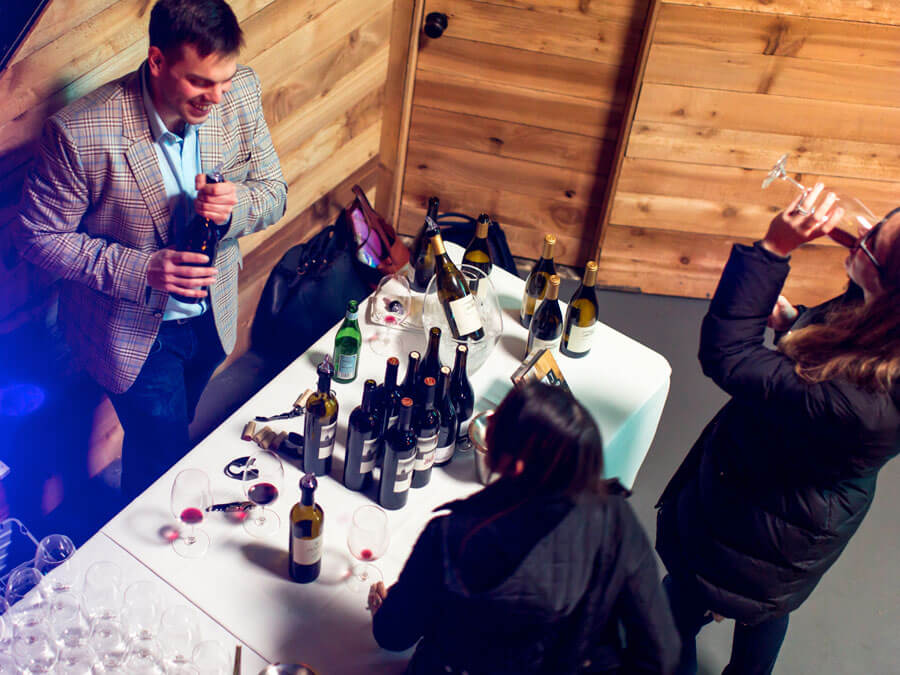
Join our Wine Club
Enjoy access to limited release wines, member-only parties, tastings, special events and savings on wines.